
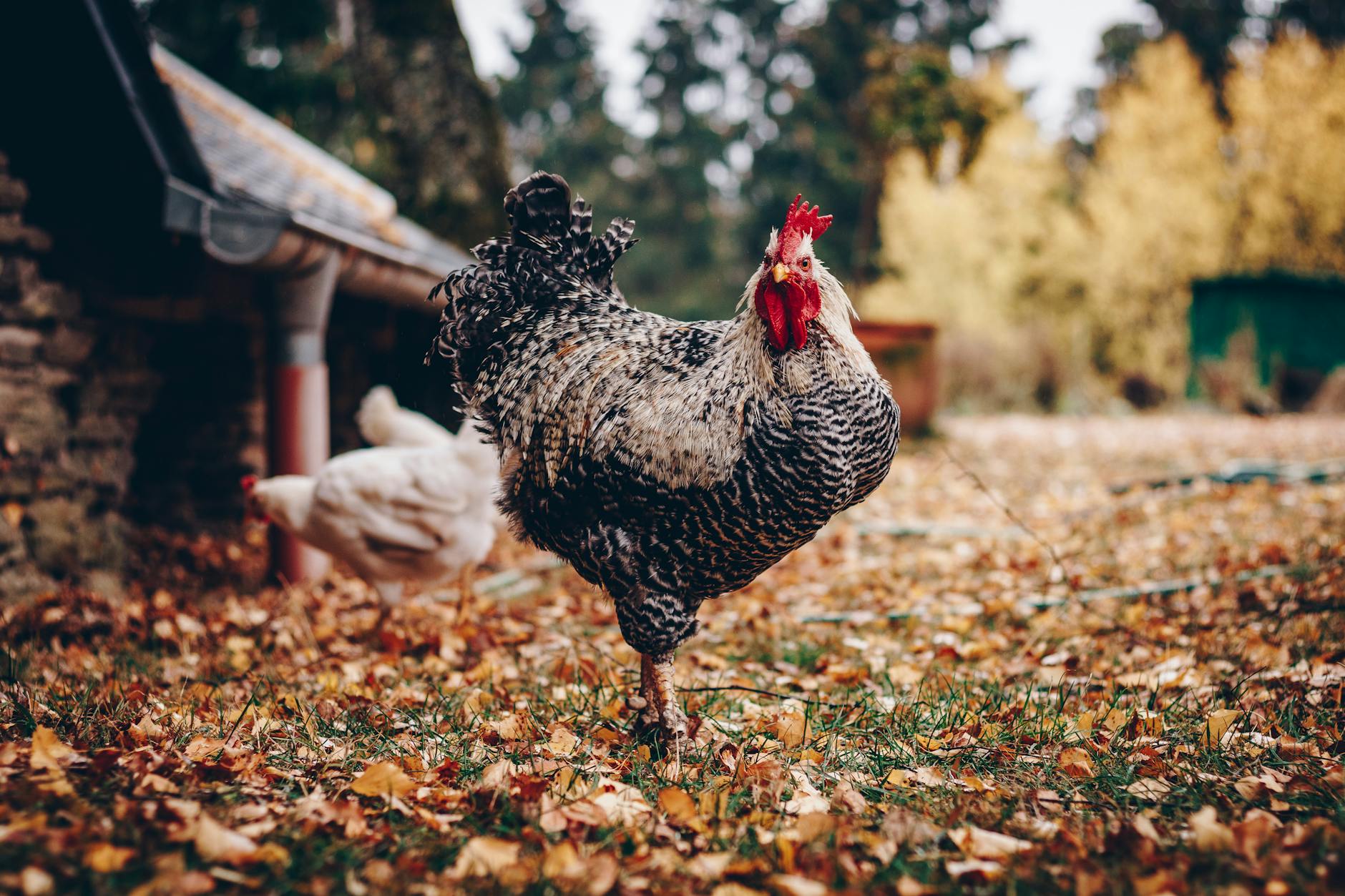
If you’ve ever shopped for eggs or meat and felt overwhelmed by labels—“cage-free,” “free-range,” “organic,” “pasture-raised”—you’re not alone. These terms can be confusing, and not all of them mean what they seem. At YaHWeH’s Farmstead, we use the term pasture-raised with purpose. Here’s what it really means—and why it matters.
Pasture-raised animals live outside, on grass, with plenty of space to move freely and express their natural behaviors. Our hens scratch, peck, dust bathe, and forage under open skies. Our cows graze on fresh pasture. Our chickens roam and forage in the sun. This is farming as it was always meant to be: connected to the land and respectful of the animal.
This is different from cage-free, which simply means animals aren’t confined in cages—but they may still live indoors in crowded barns. Free-range sounds better, but often it only guarantees access to a small outdoor area that animals may or may not use. Organic refers to feed quality, not necessarily outdoor access or animal welfare.
Pasture-raised goes beyond all of that. It’s about the full life of the animal—what it eats, how it lives, and how it’s treated. And because the animals are healthier and less stressed, the food they provide is better, too. Pasture-raised products tend to be higher in omega-3 fatty acids, vitamins, and antioxidants. The taste difference is real, and so is the nutritional impact.
When you choose pasture-raised, you’re not just buying a product—you’re supporting a system of farming that honors animals, nourishes the soil, and produces food you can trust. At YaHWeH’s Farmstead, we’re committed to keeping that promise, from our pasture to your plate.
Leave a Reply